Posts tagged #robert p rabbit

The Woodchuck

Thank you for reading my blog. I hope you are having a very good day.

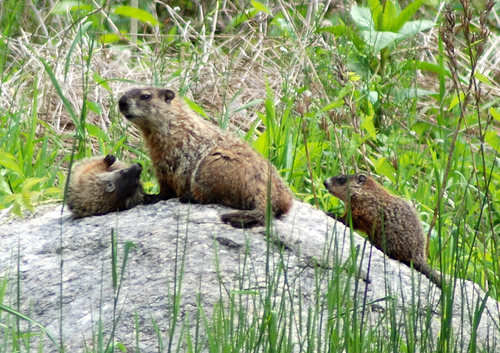
I have a friend in North Georgia whose name is Woody Woodchuck. In some parts of the USA they are called Marmots, but they are all still Woodchucks. Actually they were here when the first settlers came to America and spotted this little furry creature and decided to call it "Chuck". Then later, some bright person, for reasons nobody knows, started calling it a "Woodchuck", even though it doesn't eat wood, chew wood or have much of anything to do with wood.

The Woodchuck lives in a den it digs on the side of a hill - to keep its house from flooding. It is an excellent digger, moving as much as 700 pounds of dirt in the process of building a bunch of tunnels and rooms. It will have a room for a nest, one for a bathroom, and rooms for each newborn (called "chucklings") to have its own place to sleep once it's big enough to walk around on its own. The Woodchuck is so organized that it will have a main entrance to its den that is noticeable by the piles of dirt from the digging, and then an escape exit a good distance away that it digs from the bottom up, taking the dirt out the front entrance so that when he breaks through to the surface, he doesn't even disturb the vegetation around the exit. In this way none of his predators know where he will come out of the ground when he needs to escape.

With all that digging, you would think the Woodchuck would be very dirty, but in fact, they are very clean animals -- always cleaning themselves. You will never see a Woodchuck with so much as a single bit of dirt on its fur.  And mama Woodchuck will clean the den, which can be 5 or 6 rooms, and 75 feet of tunnels, every day, and will replace the nesting material whenever it gets soiled.

By the way, just like the bear, the Woodchuck hibernates, which means it sleeps all Winter.  But one of the most interesting legends about the Woodchuck is that in each territory where they live, they will elect one of their group to predict on February 2nd of each year when Springtime will arrive. On that day,  the Woodchuck will wake up, and come out of its den in the morning. If it sees its shadow, it will go back in its den and sleep for six more weeks, as it knows Spring is six weeks away. If it doesn't see its shadow, it will start its work for the Season, as it knows Spring is just around the corner.

Usually the Woodchuck is more accurate than the TV Weatherlady. Maybe she needs to go to Woodchuck Weather School.

Keep your chin up.

Robert P. Rabbit

Robert P. Rabbit Makes it to the Nation's Capital!

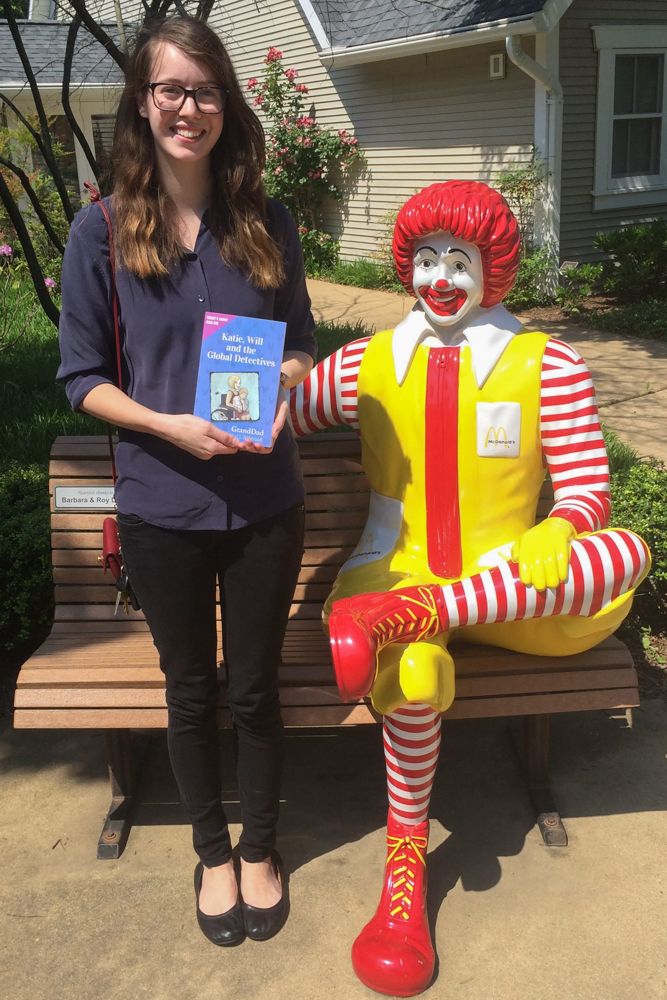
Arielle spent a few days delivering books to several children's hospitals and Ronald McDonald houses in the Washington, D.C. area!  We are now officially in the nation's capital.  It was a fun trip and met some great people.  Take a look at the pictures!

Arielle in front of Inova Children's Hospital

Arielle in front of Inova Children's Hospital

Arielle with the man himself.

Arielle with the man himself.

What a beautiful welcome!

What a beautiful welcome!

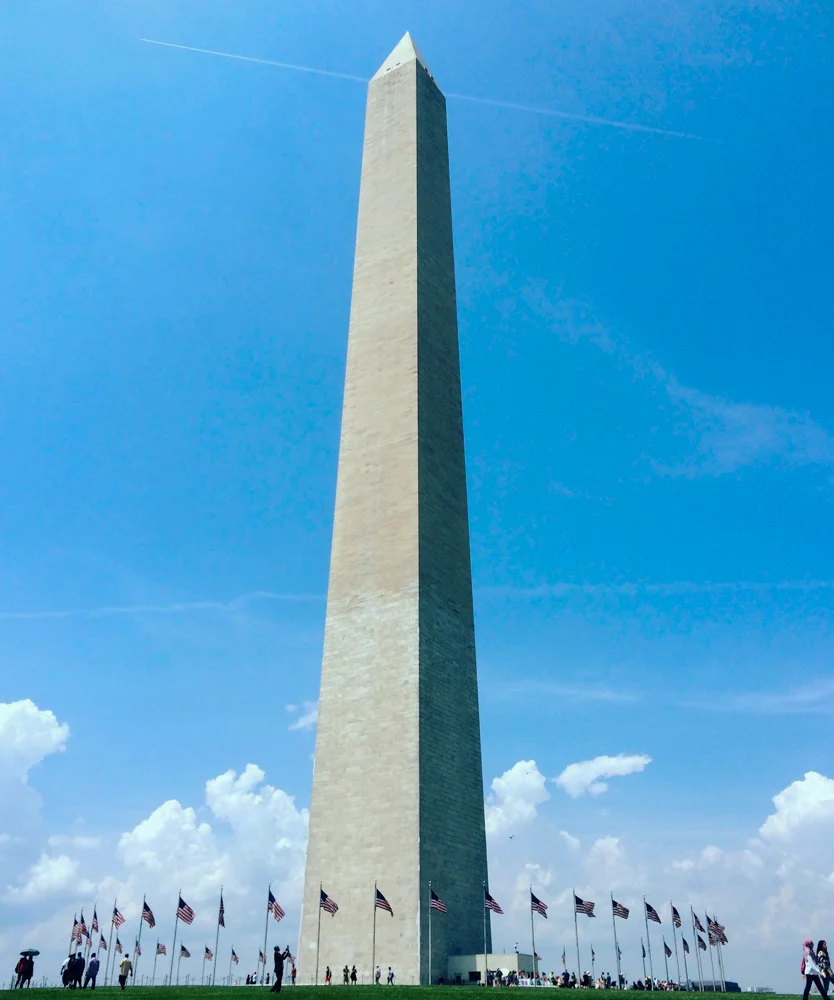
Getting in a little sight seeing in between book deliveries. Robert P. Rabbit was very impressed.

Getting in a little sight seeing in between book deliveries. Robert P. Rabbit was very impressed.

The Amazing King Salmon

Thank you for reading my blog. I hope you are having a good day.

Being a rabbit, I don't like the water. It's wet, usually cold, or even icy, it makes me shiver when I'm drying out and I can't hop as well if my fur is so heavy with water. But there is one creature that lives in the water that I think is amazing. It's a fish, and they call it a King Salmon, and it can teach us a lot about determination.

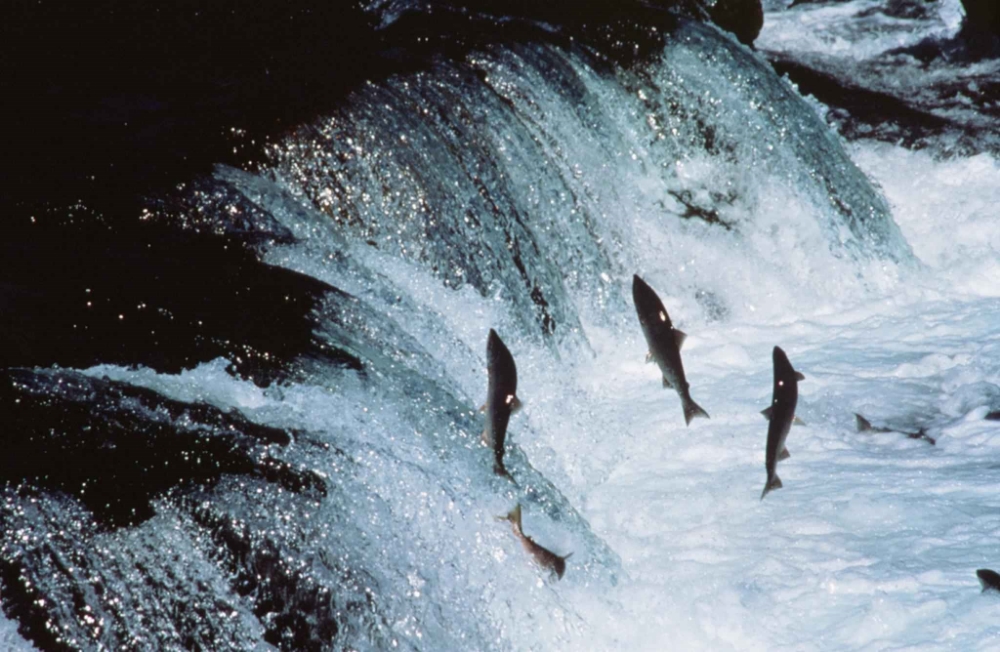
Let me explain. In the Fall, mama Salmon will lay 30,000 eggs (one thousand at a time) in a small stream in the Northwestern United States -- Like Washington State. Within 15 seconds of the eggs hitting the floor of the stream, papa Salmon must fertilize them, or they will never hatch. He does this by covering them with a milky substance. Mama will then cover the eggs with sand and gravel by swishing her tail back and forth. The eggs will stay there all winter while a tiny tinny fish develops inside. Then, in February, 30,000 little biddy salmon all come out of their eggs. And since hundred of salmon lay their eggs in the same stream, that means millions of little salmon come out at once.

And this is where their adventure begins. They stay under rocks while they grow bigger feeding on the egg sack of food that they hatched with, but that soon runs out and they have to leave the safety of the rocks to go find food. Then the danger comes. They can freeze if the water gets too cold; die from too much sun; get eaten by bigger fish; get caught by birds, weasels, turtles, frogs or any one of a number of other predators; or can get washed down stream by heavy rain.

If they survive all of that, they swim to the first lake they come to, and start growing bigger so they can follow the stream all the way to the Pacific Ocean. There are still dangers in the lake, but they persevere (which means they don't give up) until they are big enough to swim to the Ocean. When they are hiding under the rocks it's called their "fry stage". When they are growing in the lake, it's called their "smolt stage". And when they are swimming down to the ocean it's called their " parr stage". And what's interesting, is that when they reach the place where the stream goes into the ocean, they have to wait until their body changes to the point where they can live in the salt water of the ocean. The river is fresh water, with no salt in it, so this is a change they need to make, because if they just swim from the fresh water into the salt water without making this change, they would die.

Finally, only one King Salmon of every ten that hatched upstream makes it all the way into the ocean -- nine of them die along the way. And in the ocean they swim as far down as 100 feet to escape all the bad things that want to eat them, and then they come to the surface to feed at night, when it is safer for them. They will stay in the ocean for about four years, traveling in a big circle from the Northwestern Territory (Washington and Oregon) all along Alaska and then back to where they started-- going hundreds of miles in the journey. By some magic God has put into their brains they come back to the very stream they were born in four years earlier. And remember, they've only been there once in their life before, and they still find it.

And their determination is still just as great. They will swim up this stream as many as 25 miles a day for weeks, and even months. They have to swim against very fast currents; swim up steep waterfalls; and dodge bears, otters, weasels and other predators. And they don't spend any time eating anything at all while they are doing it. They have only one purpose in making this long and hard trip, it's just so they can lay their eggs in the exact same place they were born.

Now that'swhat I call real determination. I wish I had half as much determination. If I did, I could sure get a lot done.

Keep you chin up.

Robert P. Rabbit

Owls Are Amazing!

Thank you for reading my blog. I hope you are having a really good day,

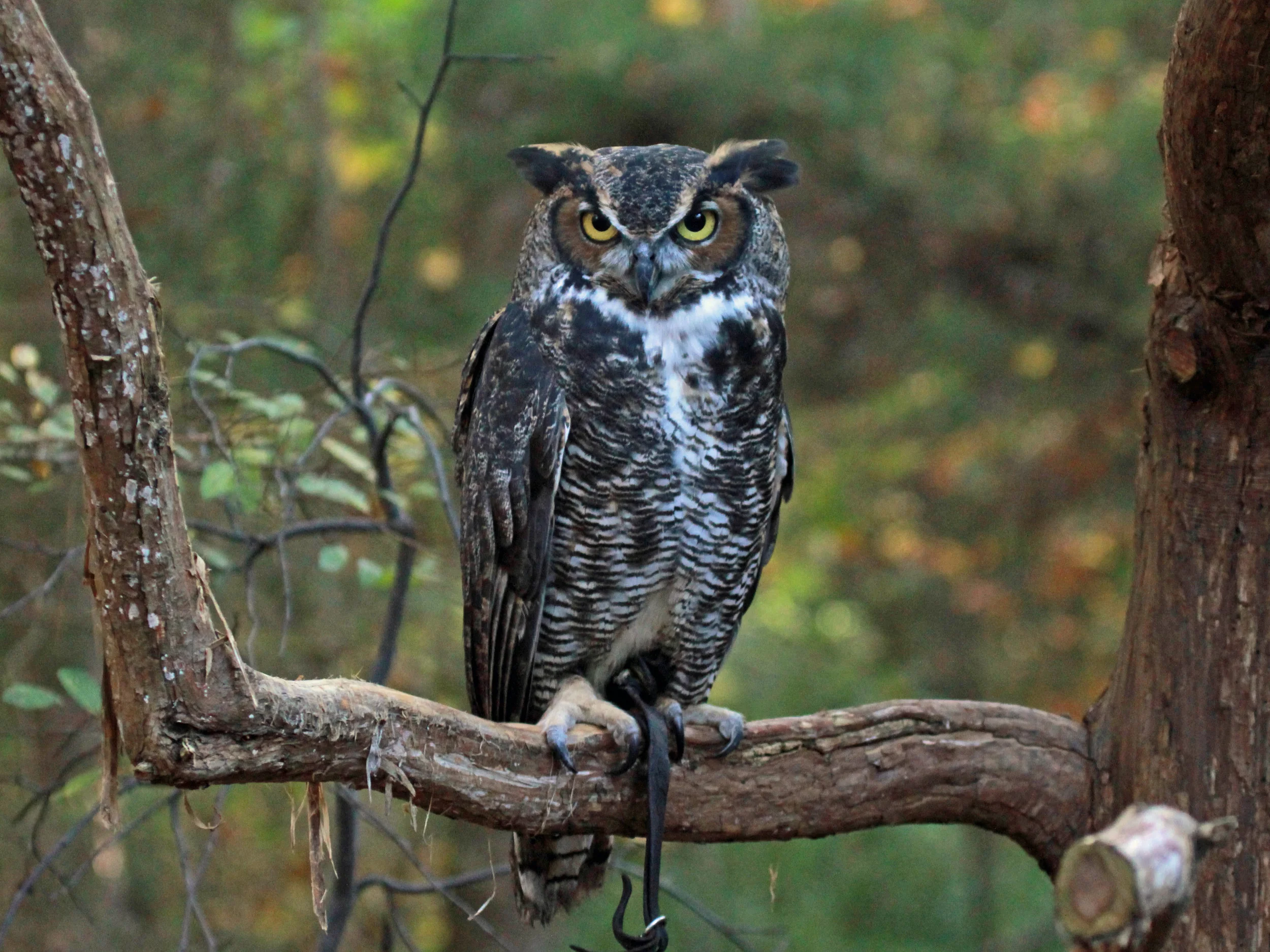
There is a bird in the Forrest they call The Great Horned Owl. Actually it doesn't have horns at all -- just little tufts of feathers that are pointed and look like horns. And most people think these are their ears, but we rabbits know they aren't that either. The Owl's ears are very unique, and are located lower down on their heads than those tufts of feathers. And here is where it gets really interesting. You see, the Owl has one ear on the side of its head about eye level. You can't really see it, as it's covered by feathers. The other ear is down about as low as its beak.

Now you might wonder why God made the Owls' ears like that. Well, I'll tell you. When sound reaches the Owl, one ear hears it a fraction of a second before the other ear. This helps the Owl pinpoint the source of the sound very accurately , and means that when he takes off from the tree limb at a very high speed, he knows exactly where he is headed.

And added to that are two amazing things about the Owls eyes. All bird's eyes have these little things called "rod cells". This is the part of the eye that captures light, and the more of these that a bird has, the better the bird can see in the dark. The Owl has many more of these rod cells than other birds, so many more that the Owl can almost see in the pitch black dark. You humans don't even have those. If you want to see in the dark, you have to put on "night goggles" --- just like the characters in some of the video games you play use. If there is the slightest bit of light in the Forrest, even from the stars, the Owl sees just about like it was daytime.

The second thing the Owl's eyes have are "overlaps". That means that each eye brings in what it sees in a slightly different place. It is like when your parents take you to a 3D movie, and they give you those glasses to watch the movie. The picture on the screen is "Overlapped", and if you don't have on the 3D glasses, the picture looks blurred. The glasses make the picture look just like it is supposed to look, and it has a depth that a regular movie doesn't have. The "overlap" in the Owl's eyes helps it determine depth much better, and just how far away an object is, so when the Owl flies it knows the spot it is going to; as well as how far away it is.

Well, with all that going for it, the Owl is a bird we rabbits want to avoid, so we won't be dinner for some greedy Owl, who ought to be eating seeds like other self respecting birds. So we figured something out about the Owl. That is that the Owl nests very early in the Spring -- way before other birds. And it lays its eggs right away. After that, the Owl won't leave the nest for three or four months while it waits for the eggs to hatch. This is because the Owl knows it can get very cold in the Spring, and if it leaves the nest to hunt, its eggs can easily freeze, killing the little Owls inside. When the eggs have hatched, we rabbits know to stay away from the Owl's nest. After three months of no food, and with three hungry little Owls to feed, it has to get busy hunting. In addition, Because it laid its eggs so early, the leaves haven't come out on the trees yet, making its job of finding some little mice a lot easier.

The problem with all of this is that those little fellows will grow from about three inches when the hatch to over two feet in just three months. Then we rabbits have three more Owls in the Forrest to worry about ---Ugg!!!!

Keep your chin up.

Robert P. Rabbit
Posted on April 1, 2016 and filed under robert p. rabbit stories.

Robert Q. Rabbit Meets A Skunk

Thank you for reading my blog today. I hope you are having a really good day.

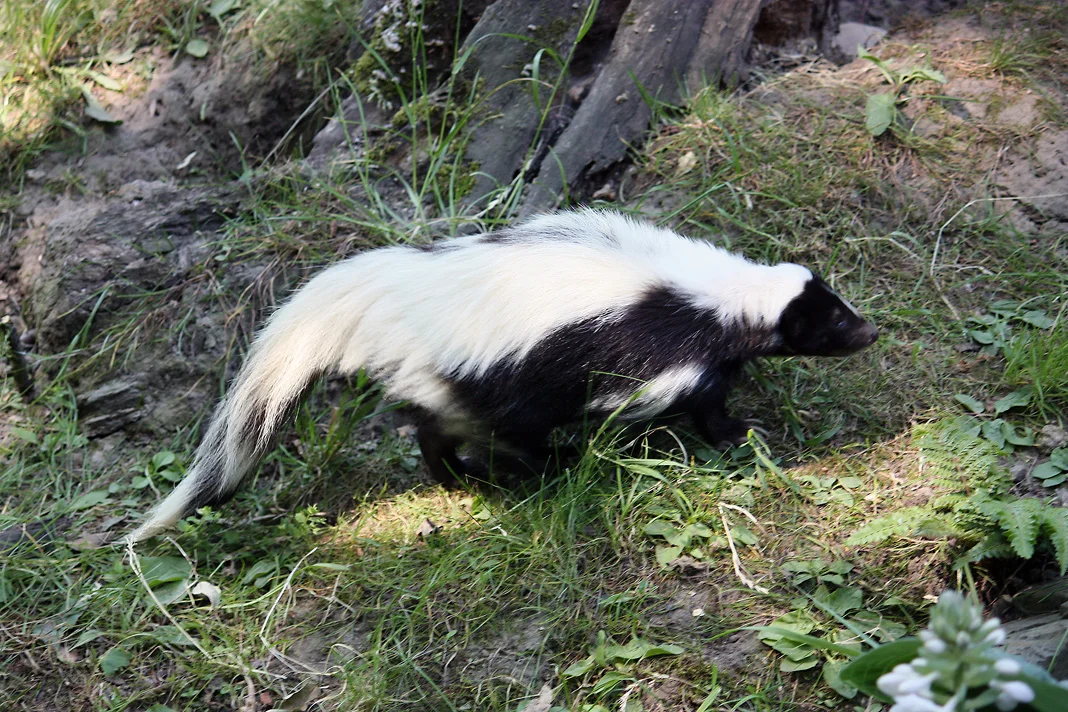
Every family has someone who is always cutting up, playing jokes on the others and always running off doing the unexpected. For us it's Robert Q. Rabbit, my older brother. Father always told us to stay away from the little critter with the white stripe down his back. He didn't tell us why; for him, it was enough that he told us not to do it, and he expected us to obey. But sure enough, Robert Q. had to know why. So one day while we were out playing, there, at the edge of the field, was one of those black critters with a white stripe down his back. "Let's go see what this is", said Robert Q. "No" I said, "father said to stay away from him." "Well, I'm going over to see what he's all about" said Robert Q, and off he went. When he got close to the critter he started poking him with a stick " Look", he yelled " he can't hurt us, he's no bigger than we are". Just then the critter turned around, raised his tail and squirted something all over Robert Q., who immediately started yelling, crying, rubbing his eyes and nose and rolling around on the ground like he was trying to rub something off his fur.

And he was trying to do just that. Robert Q had discovered a skunk, and I mean really discovered a skunk. I didn't want to get near him, he smelled so bad, so I made him walk way behind me -- but even then he was smelling up the whole forest.

I guess we ought to obey our parents, even when we aren't exactly sure why. After all, if we don't obey we might just run into a skunk.

Keep your chin up!

Robert P. Rabbit 

Posted on February 26, 2016 and filed under robert p. rabbit stories.

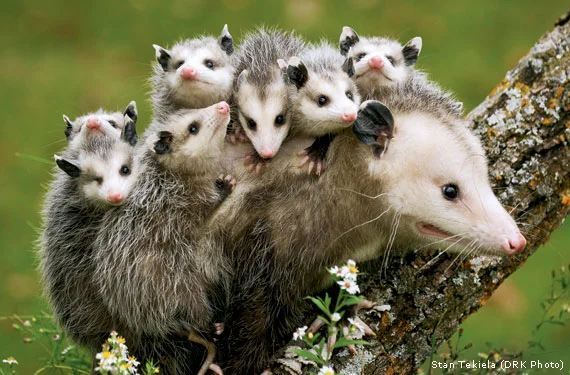
A Mama Opossum and Her Babies

Thank you for reading my blog. I hope you are having a good day today.

I have a little friend in the mountains named Pogo. Pogo is a Possum. Oh I know, the way it really is spelled is "Opossum", but nobody ever pronounces the "O" -- it's like it isn't even there. So I just spell it the way it is pronounced.

Anyway, Pogo is a girl possum, and she doesn't come out at all in the daytime. She is what is known as a nocturnal animal. That means that she spends most of her time awake at night, and sleeping during the day. If you have ever seen a possum it was probably crossing the road in front of your parents’ car, and it was caught in the headlights. Pogo doesn't have a home of her own, she sleeps in whatever hole or small space she can find, and it might be different every day.

When she had her babies, she had no where to put them. But that's ok, because the way God made her she just carried them around in a pouch on her tummy. And it was easy, because her babies were so small when they were born you could put 20 of them in a teaspoon. But she only had 11 of them, so there was plenty of room. Then, when the babies were two and a half months old they got too big for her pouch (each was then the size of a small mouse) so they came out of the pouch and crawled up on her back. They stay there for another month, going every where she went, and for 30 days they went every where she went clinging to her back. At the end of that time, they went off on their own.

There are lots of mothers today that are like Pogo. They don't have anywhere to call home, and they have to take their children from shelter to shelter, sometimes a different one each day. Ask your parents how you might be of help to such a mother.

Keep your chin up! Robert P. Rabbit 

Posted on February 5, 2016 and filed under robert p. rabbit stories.

The Importance of Being Modest: A Lesson Learned From Turkey

Thank you for reading my blog. I hope that you're having a really good day.

Most of you know that the bald eagle is the national bird of the United States of America. But did you know that there were some people at the time our country was founded that wanted the national bird to be the turkey? One of those people was Benjamin Franklin, the man who discovered electricity.

Some people refer to a turkey as a "gobbler" because, as we all know when a turkey communicates it goes " gobble, gobble, gobble".

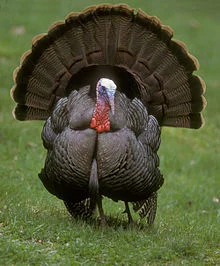
Personally, I'm glad the turkey wasn't chosen as the national bird since they aren't as pretty as a bald eagle; their heads look funny with it’s carnuncles and waddles ( those bright red things that don't look attached to its head very well) and the fact that their feet change color from red to grey to silver as they get older. In addition, male turkeys are always puffing themselves up, spreading their wings out and strutting around in circles trying to impress the female turkeys.

It seems to me that when somebody has to go to all that trouble to get noticed; there probably isn't very much worth noticing about them.

Watch out that you don't go around bragging about yourself; other people won't think much of you for doing that.

Keep your chin up!

Robert P. Rabbit

Making The Right Choice Isn't Always Easy

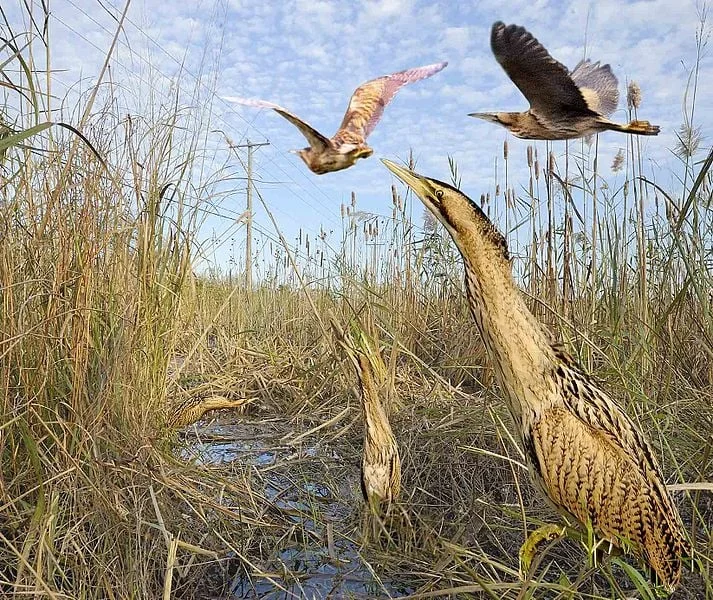
A family of bitterns

A family of bitterns

Thank you for reading my blog. I hope this day is a good one for you.

We have a bird in the North Georgia mountains that lives in the marshy areas where the cattails grow. Not many people have seen one, even though it stands nearly two feet high, and when it flies its wings spread out a little more than a yard stick. It is called a Bittern, and it can teach us a lot about being flexible.

By that I mean that many times we have choices to make, and we need to be ready to make the choice that best fits the circumstances. I'll use the Bittern as an example.

Let's say she is sitting on her nest when she spies a red fox close by who is looking for supper. She has three choices. She can attack the fox and use her sharp beak to harm the fox so it will run away. But to fight a fox like that will probably get her hurt. She can bristle her feathers up so she looks twice her size, but while that may scare away a snake, itprobably isn't big enough to scare a fox. Or she can stand up on her hind legs, with her beak pointed straight up into the air, and her neck stretched way up and look all the world like the cattails and reeds surrounding her. If the reeds sway in the wind, she has learned to sway with them. This is the best choice to hide from a fox and will work almost all of the time. The fox just won't see her.

Sometimes our best choice is to just stand in the cattails where we won't be noticed, rather than making a lot of noise, which could get us hurt.

Keep your chin up

Robert P. Rabbit

Posted on January 22, 2016 and filed under robert p. rabbit stories.

Family Is Important Even Among Wolves

Thank you for joining my blog. I hope you are having a really good day.

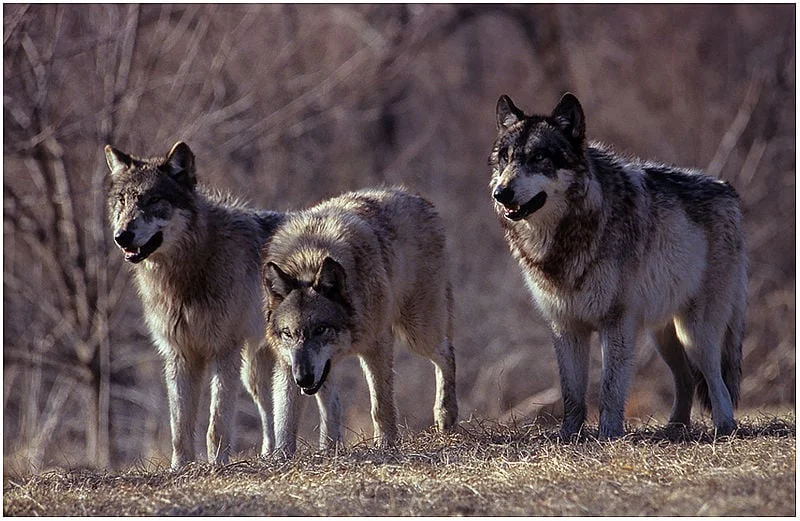
When I was out West with Katie,  there was another animal I heard a lot about, but fortunately did not have the occasion to see. It is the wolf. The wolf is just like a great big dog, only smarter, stronger and more ferocious. You don't really want to meet a wolf in the dark of the night all alone. But the chances are pretty good you won't meet one wolf, because wolves run in packs. That means there are more wolves together than just one, usually seven or eight. And they all have rather unpleasant personalities when it comes to any animal other than another wolf, or when it comes to human beings.

But there are a couple of good things you can say about a wolf. When they have their young, which are called pups, both the mother and the father wolf will help to take care of these pups. They each babysit, they each hunt for food for the pups, they each try to train the pups to be good wolves and they are very protective of their pups.

Another thing about the wolf is that they mate for life. That means that when a male wolf and a female wolf mate with each other, they stay together for life. If one of them dies, they never take another mate. You might have heard of the expression being a "lone wolf". Well that's what this means. If a wolf loses his or her mate, they stay alone for the rest of their lives. They still are a part of the pack, but they are generally by themselves most of the time.

So you can see even with the scariest of animals, family can be very important.

Keep your chin up

Robert P. Rabbit

Posted on January 15, 2016 and filed under robert p. rabbit stories.

Robert P. Rabbit visits Memorial University Medical Center Children's Hospital

Wendy had the pleasure of sitting down with Joanna, a Child Life Specialist at Memorial University Medical Center Children's Hospital to discuss the best way for donors to deliver Robert P. Rabbit books.

Bison of the Great Plains

Bison on the plains

Bison on the plains

Thank you for joining my blog. I hope you are having a very good day. 

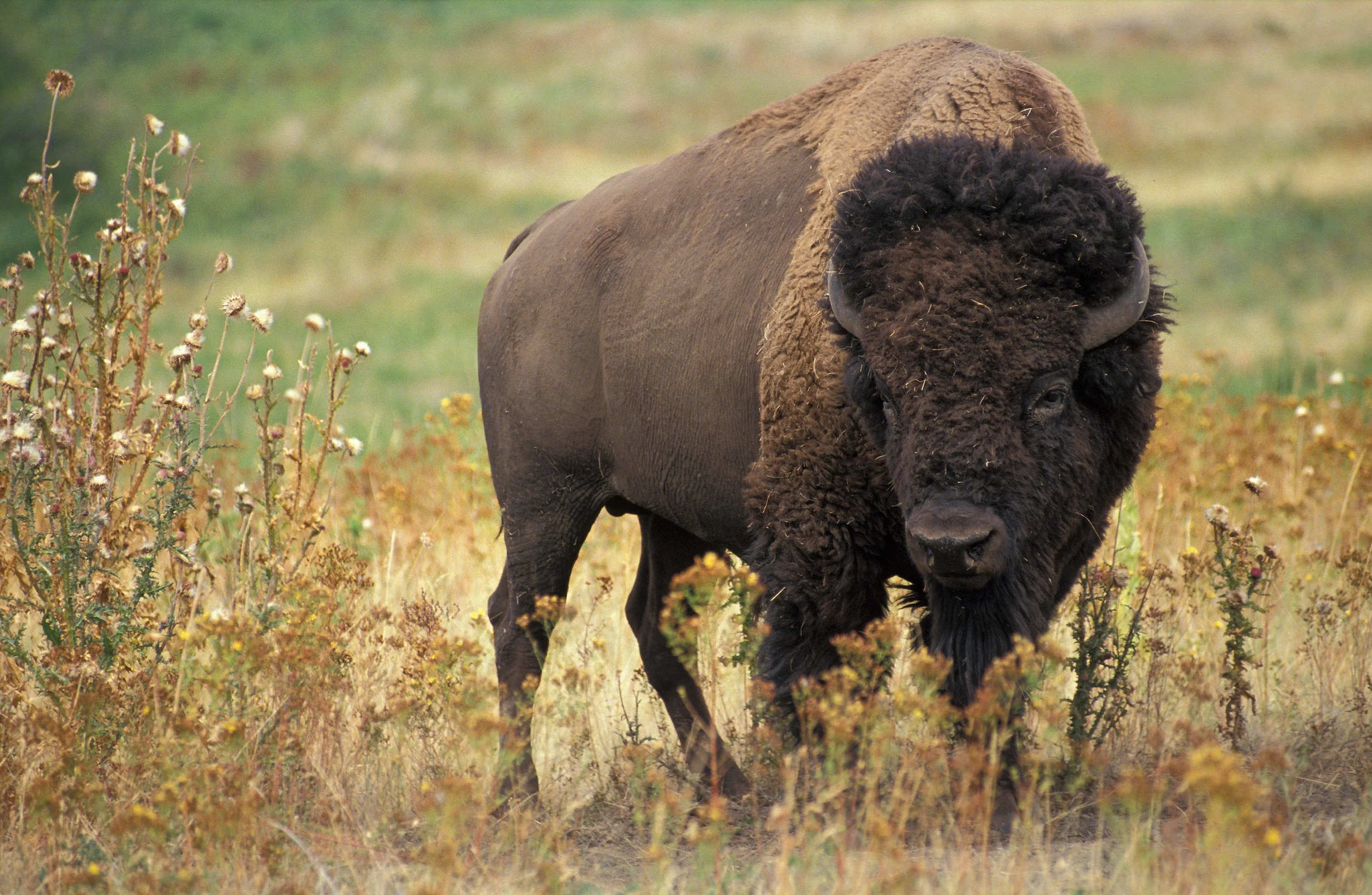
When I went out West with Katie and her family, one animal I saw for the very first time was a buffalo. Their proper name is bison. Buffalo are those big ugly things that live in Africa and are constantly battling with lions. Bison are beautiful creatures, are 6 feet high and 10 feet long, and can weigh as much as a car. But the problem with Bison is they are nervous, short tempered and don't see very well. Back before the settlers moved West and there were only Native Americans on the Great Plains of the United States, there were millions of bison. 

The bison provided food, clothing and even teepee coverings for the Native Americans. Bison made for a dangerous hunt because of their size so the Native Americans came up with a clever way to hunt the bison safely. Brave warriors would sneak inside the herd of bison and shout, scream and wave their arms in order to frighten one or two of the bulls, causing the entire herd to run from the danger as fast as possible in a stampede of thousands of thundering bison! Unknown to the bison the warriors would be driving them off a cliff but by the time they realized what was happening it was too late. 

I guess the moral of this is that sometimes it's not best just to follow the crowd. Make sure you are acting because you know it is the right thing to do, not just because it is what everyone else is doing.

Keep your chin up.

Robert P Rabbit

Posted on December 4, 2015 .

NEW Robert P. Rabbit Website!

Hello and welcome to the new Robert P. Rabbit website! We have loaded up the site with downloadable coloring pages, mini biographies about each of the characters in the book, ways for you to help us get books into the hands of kids who need them, and there is so much more to come!